How Roof Ventilation Helps Prevent Moisture and Mold
Roof ventilation helps prevent moisture and mold buildup by promoting airflow, and local service providers can ensure your system is properly installed and maintained.
Understanding how roof ventilation helps prevent moisture and mold is essential for property owners aiming to protect their investments. Proper ventilation allows warm, moist air to escape from the attic or roof space, reducing humidity levels that can lead to mold growth and structural damage. For those living in areas prone to high humidity or frequent temperature fluctuations, ensuring effective roof ventilation can be a practical step toward maintaining a healthier, more durable home environment. Local contractors specializing in roof ventilation can evaluate existing systems and recommend solutions tailored to specific property needs, helping owners keep moisture levels in check and prevent costly issues down the line.
Exploring this topic is especially relevant for property owners who want to avoid the headaches associated with excess moisture, such as mold, musty odors, or rotting wood. Proper roof ventilation not only contributes to a healthier indoor atmosphere but also supports the longevity of roofing materials and insulation. Connecting with experienced local service providers can make it easier to identify the best ventilation options for a particular property, ensuring that the roof system functions efficiently and effectively. Keep reading to discover practical insights into how roof ventilation plays a vital role in moisture control and how local experts can assist in implementing the right solutions.
- Attic Ventilation Installation - homeowners noticing excess moisture or mold growth may need attic ventilation to improve airflow and reduce humidity levels, with local contractors assessing and installing appropriate vents.
- Roof Ventilation Repairs - when existing ventilation systems are damaged or ineffective, local service providers can repair or replace vents to ensure proper moisture control and mold prevention.
- Attic Insulation and Venting - properties experiencing condensation issues often require combined insulation and ventilation work, with local pros customizing solutions to promote air circulation and prevent mold buildup.
- Roof Ventilation Inspections - individuals concerned about moisture issues can schedule inspections with local contractors to evaluate current ventilation and recommend improvements to prevent mold growth.
- Exhaust Fan and Vent System Upgrades - homes with inadequate ventilation may benefit from upgraded exhaust fans or vent systems, with local providers installing units designed to maintain proper moisture levels and inhibit mold development.
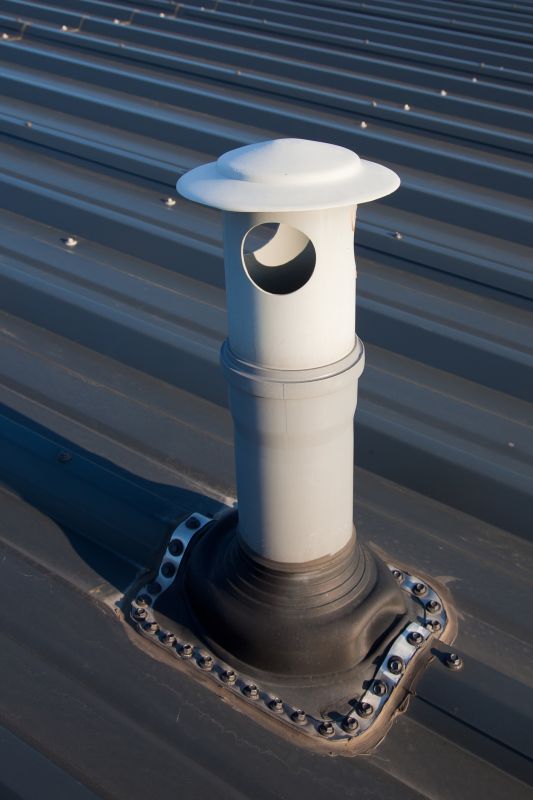
When homeowners search for information about how roof ventilation helps prevent moisture and mold, they are often looking to understand the connection between proper attic airflow and the health of their property. Many are experiencing or concerned about issues like condensation buildup, musty odors, or visible mold growth on ceilings and walls. These problems typically arise in areas with high humidity, inadequate ventilation, or poor insulation. People interested in this topic are usually planning improvements to their roofing systems or addressing existing moisture problems, seeking ways to protect their homes from long-term damage caused by excess moisture and mold growth.
This subject is closely related to common property concerns such as attic insulation, roof durability, and indoor air quality. Moisture can accumulate in the attic space when warm, moist air rises and becomes trapped due to insufficient ventilation. Over time, this trapped moisture can lead to mold growth, wood rot, and even structural damage. Homeowners often explore options for enhancing ventilation as part of broader renovation plans or preventative maintenance. By understanding how roof ventilation works to regulate airflow and moisture levels, they can make informed decisions about upgrades that improve the overall health and longevity of their property.
The types of properties that typically come up in discussions about roof ventilation and moisture control include single-family homes, multi-family buildings, and even some commercial properties with complex roofing systems. Residential homes with attics are common candidates, especially those in regions prone to high humidity or temperature fluctuations. Older homes with outdated ventilation setups are often targeted for upgrades, while new constructions may incorporate advanced ventilation strategies from the outset. Regardless of property type, the goal remains the same: ensuring adequate airflow to prevent moisture buildup, which in turn helps inhibit mold development and preserves the integrity of the building.
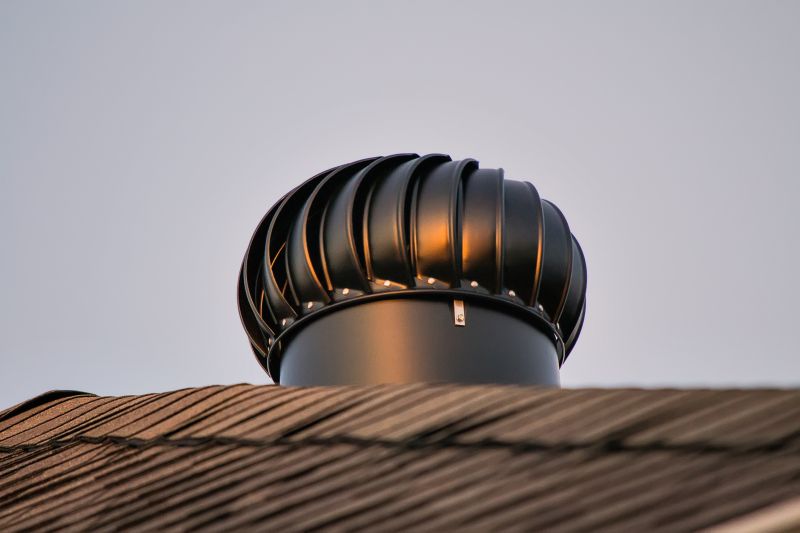
Local contractors who specialize in roof ventilation play a crucial role in addressing these concerns. They evaluate existing attic and roof systems to identify areas where airflow may be restricted or inadequate. Based on the specific needs of each property, they can recommend and install various ventilation solutions such as ridge vents, soffit vents, or attic fans. These service providers understand how proper ventilation contributes to moisture control and are equipped to help homeowners implement effective strategies. Connecting with experienced local pros ensures that the ventilation systems are tailored to the property’s design and climate, supporting long-term protection against moisture and mold issues.
Attic Insulation Installation - Proper insulation work often involves planning ventilation strategies to prevent moisture buildup, making it a related skill for local contractors specializing in roof ventilation.
Roof Repair and Replacement - Ensuring proper ventilation is crucial during roof repairs or replacements to avoid future moisture issues and mold growth, which local service providers can address.
Attic Ventilation System Installation - Installing vents and fans directly impacts how roof ventilation helps prevent moisture and mold, requiring expertise from local contractors experienced in ventilation solutions.
Attic Air Sealing Services - Sealing attic leaks complements ventilation efforts by controlling moisture intrusion, a task often handled by local pros familiar with moisture prevention techniques.
Gutter and Drainage System Installation - Proper gutter placement and drainage help manage moisture levels around the roof, supporting ventilation efforts to prevent mold growth, handled by local contractors.
Roof Inspection and Maintenance - Regular inspections identify ventilation issues that could lead to moisture problems, with local service providers able to recommend appropriate solutions.
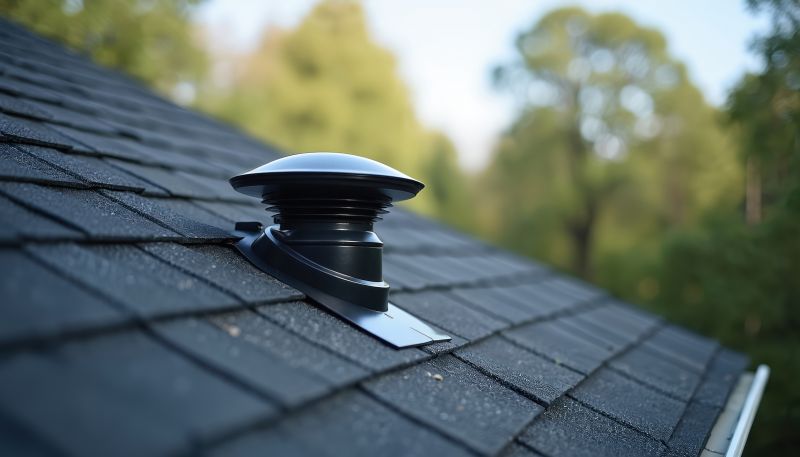
When comparing service providers for roof ventilation projects, it is important to consider their experience with similar types of work. Homeowners should inquire about how long a contractor has been handling roof ventilation installations or repairs, especially in projects comparable to their own home’s structure and climate conditions. An experienced local contractor is more likely to understand the nuances of proper ventilation design and installation, which are crucial for effectively preventing moisture buildup and mold growth. Checking references or seeking out reviews from previous clients can provide insight into the contractor’s track record and the quality of their work, helping to ensure that the chosen professional has a history of successful projects.
Clear written expectations are essential when evaluating potential service providers. Homeowners should seek detailed proposals that outline the scope of work, the materials to be used, and the specific steps involved in the installation or repair process. This transparency helps prevent misunderstandings and ensures that both parties have aligned expectations about how roof ventilation will be addressed to prevent moisture and mold issues. Well-defined expectations also make it easier to compare bids from different contractors and assess which provider offers the most comprehensive and professional approach to the project.
Effective communication is a key factor in choosing a reliable local contractor for roof ventilation services. Homeowners should observe how promptly and clearly the contractor responds to inquiries and how well they explain technical aspects of ventilation systems and their benefits in preventing moisture and mold. A contractor who maintains open, transparent communication can help homeowners make informed decisions and feel confident throughout the project. Good communication also facilitates smooth coordination, minimizes surprises, and ensures that the homeowner’s concerns about moisture and mold prevention are addressed throughout the process.
Property owners often search for how roof ventilation helps prevent moisture and mold when they are planning practical projects around their homes and businesses. Local pros provide Roof Ventilation services for everyday jobs and straightforward project options.
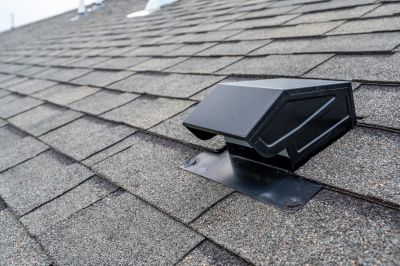
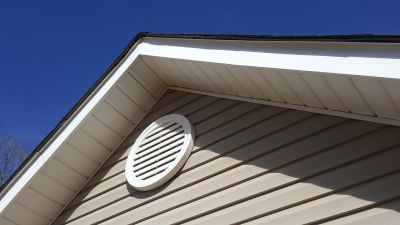
Proper roof ventilation plays a key role in managing moisture levels inside a home, especially in areas prone to humidity and temperature fluctuations. When attic spaces are well-ventilated, excess moisture from everyday activities like cooking, bathing, and laundry can escape more easily, reducing the chances of condensation buildup. This simple yet effective process helps prevent conditions that promote mold growth, which can damage roofing materials and compromise indoor air quality. Property owners in the area often seek out local contractors who specialize in roof ventilation to ensure their homes stay dry and mold-free, especially during seasons with high humidity.
In addition to controlling moisture, roof ventilation contributes to better airflow within the attic, helping to regulate temperature and prevent heat buildup. This can extend the lifespan of roofing components and improve energy efficiency throughout the year. When considering roof ventilation services, property owners typically look for experienced local contractors who can assess their specific needs and recommend appropriate solutions. Properly ventilated roofs not only protect the structural integrity of a home but also support a healthier living environment by reducing the risk of mold and related issues.
How does roof ventilation help prevent moisture buildup? Roof ventilation allows excess moisture from inside the home to escape, reducing humidity levels and preventing moisture accumulation that can lead to mold growth.
Can proper roof ventilation reduce the risk of mold growth? Yes, by promoting airflow and reducing trapped humidity, roof ventilation helps create an environment less conducive to mold development, with the assistance of local contractors who can install effective systems.
Why is ventilation important in preventing mold caused by condensation? Proper roof ventilation helps manage temperature differences and moisture levels, minimizing condensation on roof surfaces that can promote mold growth, with local service providers capable of ensuring correct installation.
How do local roof ventilation services contribute to moisture control? Local contractors assess and install ventilation systems that facilitate air circulation, helping to control indoor humidity and prevent conditions that lead to mold.
What are common signs that indicate a need for improved roof ventilation to prevent mold? Signs include persistent indoor humidity, musty odors, or visible mold spots, which can be addressed by local pros through proper ventilation solutions to maintain a healthier environment.
Assessing attic ventilation needs - property owners can evaluate their attic airflow to identify areas lacking proper ventilation, making it easier for local contractors to recommend suitable solutions.
Installing ridge vents or soffit vents - adding these vents during a roof upgrade can improve air circulation, helping to prevent moisture buildup and mold growth.
Monitoring indoor humidity levels - maintaining balanced humidity inside the home supports effective roof ventilation and reduces the risk of mold development.
Scheduling regular roof inspections - routine evaluations by local service providers can ensure ventilation systems remain effective in controlling moisture and preventing mold.
If you are thinking about how roof ventilation helps prevent moisture and mold for a property, this guide is meant to help you understand this topic, the typical project types, and how different options might fit your plans.
When you are ready, you can use the quote form on this page to share a few details about your project. From there, local pros can review the basics and follow up with options that match what you have in mind.